From Frustration to Independence: Assistive Technology for Dyslexic Readers
For a child with dyslexia, reading can sometimes feel like a daily struggle. Difficult words, slow decoding, and reading fatigue can affect not only learning but also confidence.
Assistive technology can help remove some of these barriers.
Tools such as Reading Pens, text-to-speech, audiobooks, OCR, speech-to-text, and digital reading platforms can give dyslexic learners greater access to information and more independence.
Reading Pens: Small Tool, Big Difference
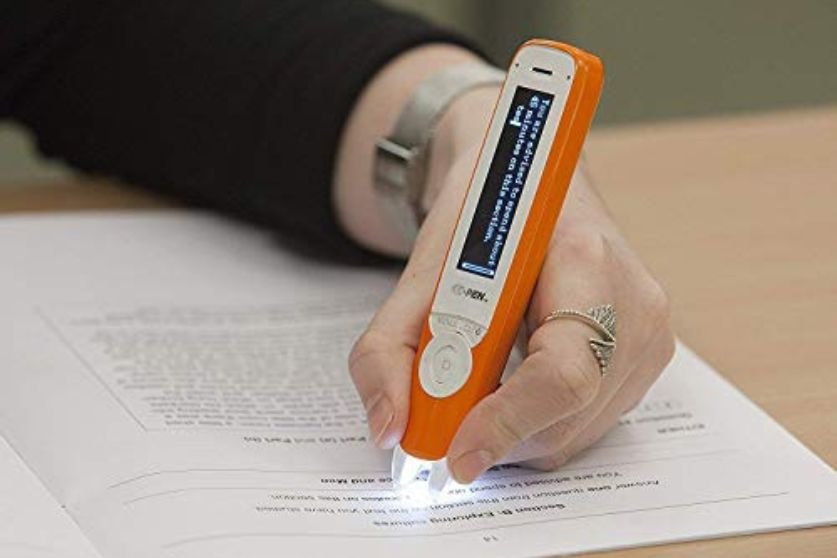
A Reading Pen can scan printed text and, depending on the device, read words aloud or provide definitions. For a learner who gets stuck on an unfamiliar word, this can mean less frustration and less dependence on an adult.
Instead of stopping and waiting for help, the learner can use a strategy and continue reading.
That is where technology becomes empowering.
Access Is Not the Same as Intervention
Assistive technology is not a cure for dyslexia, and it does not replace effective literacy instruction.
Dyslexic learners may still need explicit, systematic teaching in phonological awareness, phonics, decoding, spelling, fluency, vocabulary, and comprehension.
The difference is simple:
Intervention teaches the skill.
Assistive technology provides access while the skill is developing.
Both have an important place.
Technology Should Remove Barriers—Not Lower Expectations
The right technology can help a learner access a science textbook, understand a history lesson, complete an assignment, or express an idea without reading difficulties becoming the only focus.
The goal is not to make learning easier.
The goal is to make learning more accessible.
When children have the right tools, they can move from “I can’t read this” to “I know how to approach this.”
Assistive technology does not replace teaching. It opens doors to learning .
Every dyslexic learner deserves the opportunity to develop literacy skills, access the curriculum, build confidence, and become an independent learner.