Beyond Academics

Beyond Academics: How Binocular Vision and Primitive Reflexes Influence Learning Understanding the underlying visual and neurological factors that shape a child’s ability to read, focus, and succeed in the classroom In educational settings, learning challenges are often attributed to cognitive or academic factors. However, a growing body of evidence highlights [...]

Read More

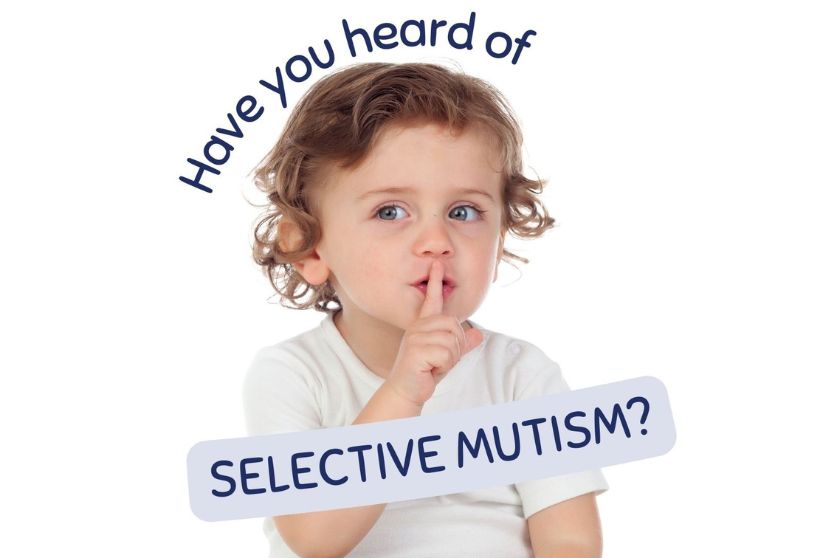
Understanding Selective Mutism

Understanding Selective Mutism: Supporting Silent Voices in the Classroom In many educational settings, there are children who actively participate at home yet remain consistently silent in school or social environments. This pattern is often misunderstood as shyness or non-compliance; however, it may indicate a condition known as Selective Mutism—an anxiety-based [...]

Read More

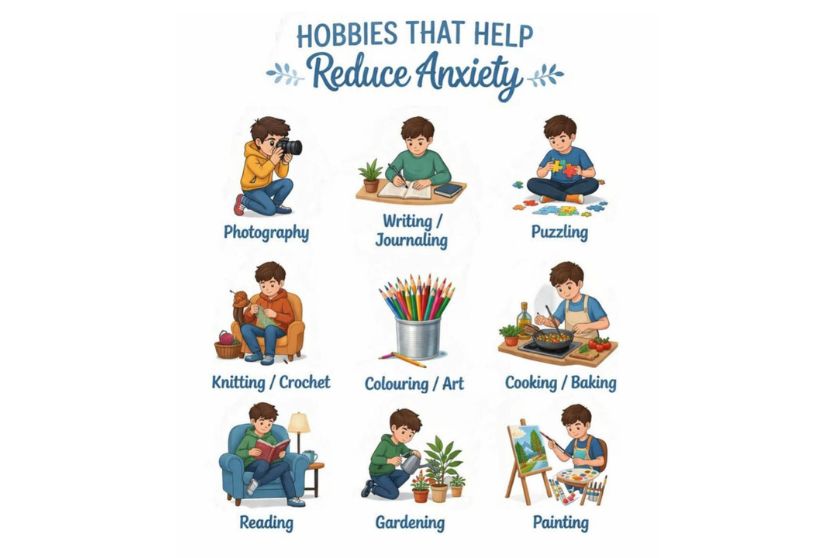
Turning Worries into Wonder

Turning Worries into Wonder: How Hobbies Reduce Anxiety in Kids In today’s busy world, children can feel overwhelmed by school, social pressures, and even their own thoughts. Anxiety in kids is more common than many realize—but there’s a simple, powerful tool that can help: hobbies. Hobbies aren’t just fun—they give [...]

Read More

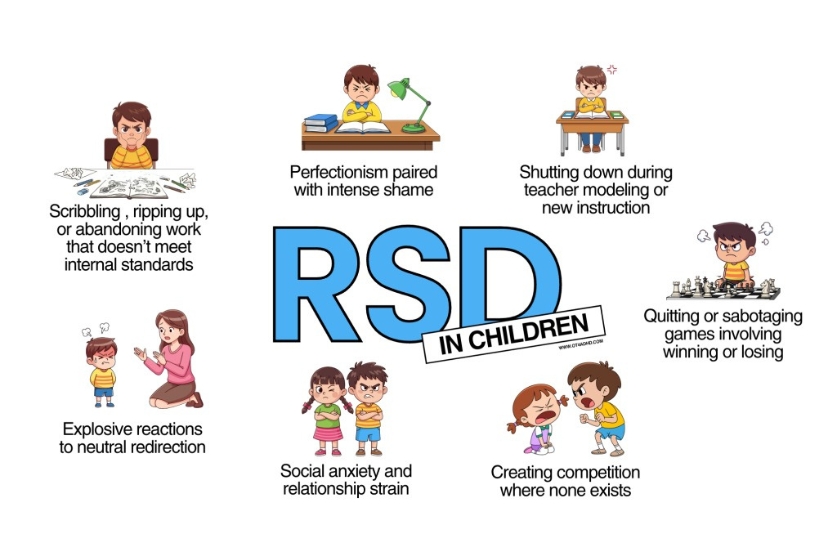
Rejection Sensitive Dysphoria (RSD)

Rejection Sensitive Dysphoria (RSD) is a condition where a person experiences intense emotional pain in response to real or perceived rejection, criticism, or failure. What does it mean? People with RSD may: Feel deeply hurt by even small criticism Be extremely sensitive to rejection (even if it’s not intentional) Struggle [...]

Read More

What Is Structured Word Inquiry (SWI)?

What Is Structured Word Inquiry (SWI)? Structured Word Inquiry is a scientific, linguistic approach to teaching spelling, reading, and vocabulary. Instead of asking students to memorize word lists, SWI teaches them to investigate how words are built and why they are spelled the way they are. In simple terms: SWI [...]

Read More

Memorization Fails Some Learners

Why Memorization Fails Some Learners (And What Works Instead) “Just memorize it.” For some children, those three words feel like a simple instruction. For others, they feel like a quiet sentence of failure. Every year, I meet students who are bright, curious, and full of ideas—but who keep being told [...]

Read More

Starting the New Year Right

Starting the New Year Right: A Guide for Special Needs Parents The start of a new year is a natural time for reflection, planning, and renewed commitment. For parents of children with special educational needs, it is also an opportunity to pause, acknowledge progress, and set thoughtful, realistic goals for [...]

Read More

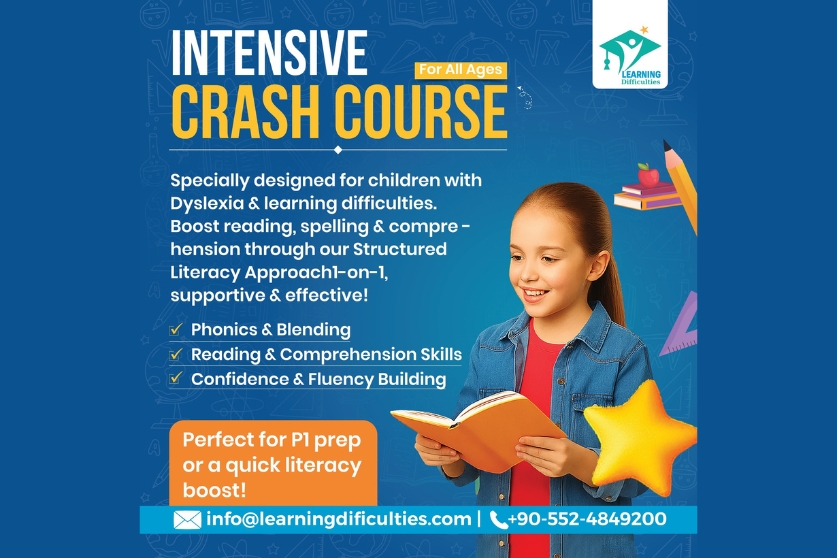
Intensive Crash Course Empowering Learners of All Ages