
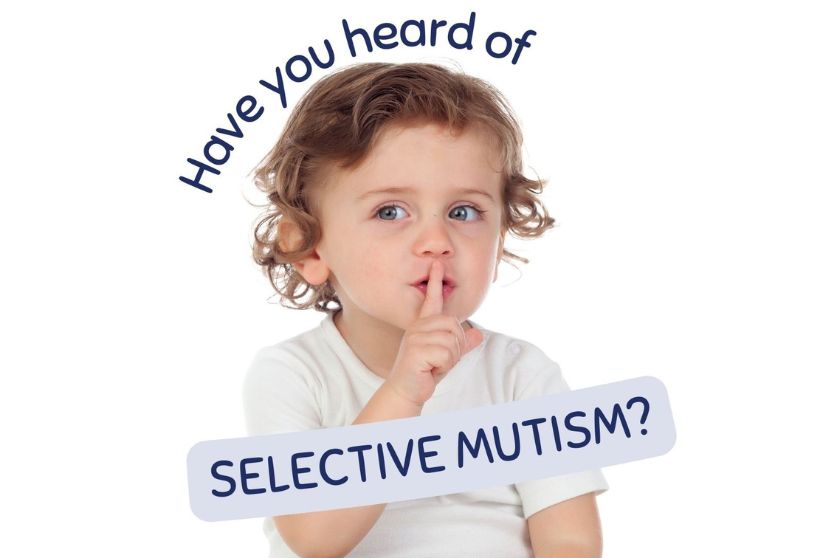
Understanding Selective Mutism: Supporting Silent Voices in the Classroom
In many educational settings, there are children who actively participate at home yet remain consistently silent in school or social environments. This pattern is often misunderstood as shyness or non-compliance; however, it may indicate a condition known as Selective Mutism—an anxiety-based disorder that significantly impacts a child’s ability to communicate in specific contexts.
What is Selective Mutism?
Selective Mutism is a complex childhood anxiety disorder in which a child is capable of speech but is unable to speak in certain social situations, such as school. It is not a choice or behavioral defiance; rather, it is a response to overwhelming anxiety.
Children with this condition often:
. Speak comfortably in familiar environments (e.g., at home)
. Experience significant difficulty speaking in structured or unfamiliar settings
. Demonstrate avoidance behaviors when communication is expected
Understanding the Underlying Causes
Selective Mutism is closely linked to social anxiety. Contributing factors may include:
. Temperamental traits such as behavioral inhibition
. Heightened sensitivity to social evaluation
. Environmental influences, including family dynamics and early experiences
It is important to recognize that the child’s silence is not willful but rooted in psychological distress.
Early Identification in Educational Settings
Teachers play a critical role in identifying early indicators of Selective Mutism. Some key signs include:
. Consistent silence in class despite verbal ability
. Reliance on non-verbal communication (gestures, nodding)
. Avoidance of participation in group activities
. Visible anxiety when asked to speak
Early identification allows for timely intervention, which is crucial for positive long-term outcomes.
Effective Classroom Strategies
Supporting a child with Selective Mutism requires a sensitive and structured approach. Evidence-based strategies include:
1. Creating a Safe and Supportive Environment
Establish a classroom atmosphere where the child feels emotionally secure and free from pressure to speak.
2. Reducing Performance Anxiety
Avoid direct demands for verbal responses. Instead, provide alternative methods of participation such as pointing, writing, or using visual aids.
3. Gradual Exposure Techniques
Introduce communication expectations slowly, beginning with low-pressure situations and progressively increasing interaction.
4. Positive Reinforcement
Acknowledge and encourage all forms of communication, both verbal and non-verbal.
The Role of Collaboration
A multidisciplinary approach is essential. Effective support involves:
. Collaboration between teachers, parents, and mental health professionals
. Consistent strategies across home and school environments
. Development of individualized support plans tailored to the child’s needs
. Emotional and Social Impact
Without appropriate support, Selective Mutism can affect a child’s:
. Self-esteem
. Academic engagement
. Peer relationships
Understanding the emotional experience behind the silence is key to providing meaningful support.
Selective Mutism is not simply a matter of reluctance to speak; it is a reflection of underlying anxiety that requires empathy, patience, and informed intervention. With early identification and structured support, children can gradually build confidence and develop effective communication skills.