
My Child Is Smart but Struggles at School – What Could Be the Reason?
Many parents sit across from teachers or specialists and say the same sentence, often with confusion and worry in their voice:
“My child is smart, but school is so hard for them.”
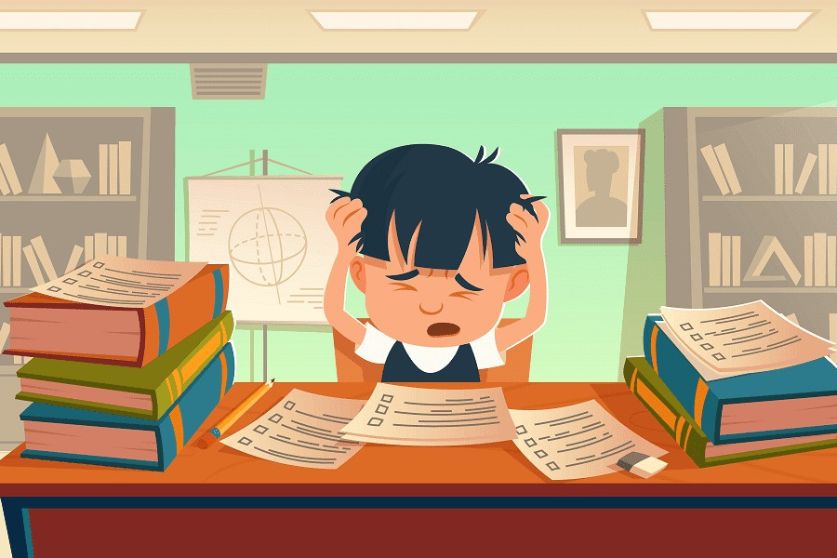
You see it at home. Your child asks deep questions, remembers stories, builds incredible ideas, or explains things far beyond their age. Yet at school, they struggle to read, write, focus, finish tasks, or keep up with lessons. Homework takes hours. Tears appear over simple assignments. Confidence slowly fades.
If this sounds familiar, you are not alone—and more importantly, your child is not failing.
Smart Does Not Always Mean “School-Easy”
School success depends on more than intelligence. It relies on how a child:
. Processes information
. Understands language
. Remembers instructions
. Organizes thoughts
. Manages attention and emotions
A child can be highly intelligent and still struggle in a traditional classroom. This is often where learning difficulties or learning differences come into play.
Possible Reasons Behind the Struggle
1. Hidden Learning Difficulties
Some learning difficulties are not obvious. Children may speak well and appear confident, yet struggle with:
. Reading (Dyslexia)
. Writing (Dysgraphia)
. Mathematics (Dyscalculia)
. Processing speed or memory
These children often work twice as hard just to keep up.
2. Slow Processing Speed
Your child may understand the lesson—but needs more time to think, respond, or write. In fast-paced classrooms, they are often left behind, not because they don’t know the answer, but because they cannot show it quickly enough.
3. Attention and Focus Challenges
Some children want to concentrate but simply can’t sustain attention for long periods. This is not laziness or lack of motivation. It is often neurological and requires the right support, not punishment.
4. Anxiety and Emotional Pressure
Children who struggle academically often become anxious. They fear making mistakes, being embarrassed, or disappointing adults. Anxiety blocks learning, even in bright children.
5. Teaching Style Mismatch
Not every child learns the same way. Some need visuals. Others need movement, repetition, or one-to-one explanation. A child may struggle simply because the teaching style does not match their learning needs.
What Parents Often Notice First
“They understand when I explain, but fail in exams.”
“They know the answer but can’t write it.”
“Homework causes meltdowns.”
“They say, ‘I’m stupid’ or ‘I can’t do it.’”
These are signals , not weaknesses.
Why Early Support Matters
When children struggle without support, they don’t just fall behind academically—they lose confidence. Over time, they may stop trying, withdraw socially, or develop negative feelings toward school.
With the right learning support, children can:
. Learn in ways that suit them
. Regain confidence
. Feel understood and valued
. Achieve their true potential
. Support does not lower expectations—it removes barriers.
What You Can Do as a Parent
. Trust your instincts—you know your child
. Ask for learning support or assessment
. Focus on strengths, not just difficulties
Remind your child that struggling does not mean failing
A smart child who struggles at school is not broken.
They are simply learning in a world that hasn’t adjusted yet.
When we stop asking, “What’s wrong with this child?”
and start asking, “What does this child need?”
everything begins to change.