Movement, Balance and Learning: Understanding the Vestibular System
Learning is not only about the brain. Children also rely on their bodies and senses to feel comfortable, move, participate, and engage with their environment.
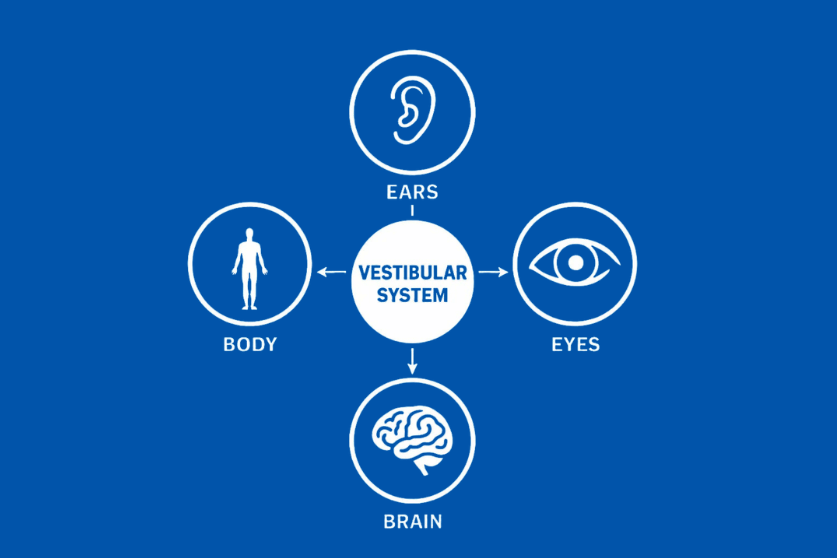
The vestibular system, located in the inner ear, provides the brain with information about head movement, position, and balance. It works with vision, muscles, and joints to support posture, coordination, and movement.
What Can Vestibular Processing Difficulties Look Like?
Children may respond to movement differently. Some may constantly seek movement, while others may avoid activities such as swings, climbing, or having their feet leave the ground.
Some children may also experience difficulties with:
Balance and coordination
Maintaining posture
Playground activities
Motor planning and movement
Sitting comfortably for learning activities
However, these behaviors do not automatically indicate a vestibular disorder. Different factors can contribute to similar difficulties, so professional assessment may be appropriate when concerns persist.
How Can It Affect Learning?
Classroom learning requires children to sit, move, listen, look, and concentrate at the same time. Difficulties with movement, balance, or sensory processing may sometimes make participation more challenging.
This does not mean vestibular difficulties cause dyslexia, dyscalculia, ADHD, or other learning differences. Instead, sensory and movement needs may influence a child’s comfort, participation, and ability to engage in everyday activities.
Supporting the Whole Child
Simple classroom approaches may include appropriate movement breaks, opportunities to change position, active learning, and activities that support balance and coordination.
The goal is not to make learning easier or to label a child. It is to understand what may be creating a barrier and provide the right support.
If a child has persistent difficulties with balance, coordination, dizziness, frequent falls, or movement, parents should consider discussing their concerns with an appropriate healthcare or developmental professional.
Every child experiences the world differently. Understanding those differences helps us create learning environments where children feel supported, included, and ready to learn.