Raising Readers in a Screen-Filled World
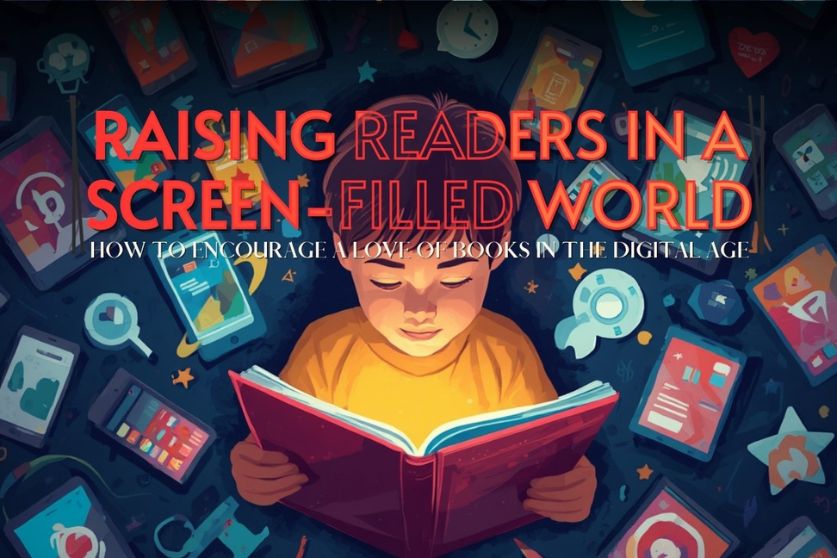
Children today are growing up in a world where screens are everywhere. From online learning and educational apps to videos and games, technology has become an important part of daily life. While digital tools offer many benefits, they also raise an important question: How can we nurture a love of reading in a screen-filled world?
Reading is much more than an academic skill. It is a gateway to imagination, curiosity, communication, and lifelong learning. When children read books, they are not simply recognizing words—they are building vocabulary, strengthening comprehension, developing critical thinking, and learning to express themselves with confidence.
Unlike digital content, which is often designed for quick consumption, books encourage children to slow down and think deeply. Reading requires focus, imagination, and reflection. As children turn each page, they create mental images, connect ideas, and engage actively with the story. These experiences support healthy brain development and lay the foundation for strong literacy skills.
Books also help children understand the world around them. Through stories, they experience different cultures, emotions, and perspectives, developing empathy and emotional intelligence. A simple story can teach resilience, kindness, courage, and problem-solving in ways that children remember long after they have finished reading.
In today’s fast-paced digital environment, many children find it increasingly difficult to concentrate for extended periods. Constant notifications, short-form videos, and rapidly changing content can reduce opportunities for sustained attention. Reading books helps children develop patience, concentration, and the ability to think beyond immediate answers—skills that are valuable both inside and outside the classroom.
This does not mean that technology should be avoided. Digital learning has an important place in modern education, but it works best when balanced with meaningful reading experiences. Audiobooks, e-books, and interactive learning platforms can complement traditional reading, while printed books continue to provide a distraction-free environment that encourages deeper engagement.
Parents and educators play a crucial role in developing lifelong readers. Reading aloud, visiting libraries, creating a reading routine, and allowing children to choose books that match their interests can transform reading from a task into an enjoyable habit. Even 15 to 20 minutes of reading each day can significantly strengthen language development, confidence, and a child’s love for learning.
Every child learns differently, and not every reading journey is the same. Some children may need additional support due to dyslexia or other learning differences. With patience, structured instruction, and encouragement, every child can experience the joy and benefits of reading.
In a world filled with screens, books continue to offer something unique—a quiet space to imagine, discover, question, and grow. Technology may change how children access information, but books remain one of the most powerful tools for developing thoughtful, creative, and confident learners.
The goal is not to choose between books and technology. It is to create a healthy balance where children enjoy the best of both worlds. Because while screens may capture a child’s attention, books have the power to shape a child’s future.